How Sustainable Packaging Strengthens Brand Reputation and Builds Brand Loyalty
How Sustainable Packaging Strengthens Brand Reputation and Builds Brand Loyalty
Product packaging, what’s so special about it? It’s just a wraparound for the product, protecting it. With a logo, it serves as the brand identity for the respective brand. Its attractive colour and image might help the packaging to stand out amongst many me-too brands.
But now no more. Consumers are sensitive. They care for the environment. So now brand packaging is a personality of how the brand thinks and what it stands for. The brand's packaging says more than high-decibel, massive ad campaigns—a silent, effective communication channel.
Sustainable packaging, especially, speaks without raising its voice. A paper pouch. A recycled bottle. A box that uses very little ink. Small choices that deliver the right message.
Consumers silently observe how brands package their products but rarely speak out about it. And when they do, it shows in the sales numbers of the brand's products with sustainable packaging.
Greysell has always been vocal about sustainable packaging design and pushed our clients to shift to eco-friendly packaging.
Brands across India have discovered the real way of eco-friendly packaging design, not because it was fashionable, but because people pushed them to change. You see it in grocery aisles, beauty stores, and even online delivery boxes. Every category is waking up to the fact that packaging is no longer a backstage player.
Now it’s part of the brand image in consumers' eyes, and a way to enhance the brand can be achieved through caring brand storytelling.
Now, let’s understand how this massive shift for brands to embrace sustainable packaging happened. Why Indian brands are now building deeper bonds with consumers with this big move.
The Quiet Power of Thoughtful Packaging
Most customers today don’t pick up a product and think, “Ah, sustainable packaging design!” They simply feel it. A smoother texture. A lighter pack. No plastic crinkle. And a small line that says “made from recycled material.”
That’s how trust begins quietly.
People have seen how plastic packaging affects the environment and how future generations are in danger due to choked rivers and overflowing landfills. They want to do something for the next generation with responsible choices.
They want to remove the guilt of using plastic and move on to a sustainable alternative.
Brands listened to them and began building loyalty by shifting to sustainable packaging.
In India, this shift is stronger than many expected. Rising awareness, social media pressure, and a very vocal Gen Z have created a new kind of demand, one that rewards honest, eco-friendly packaging and punishes wasteful design.
When Packaging Becomes a Reputation Marker
Brand reputation is a long game. But sustainable packaging gives brands an immediate advantage. A visible one. It shows effort. It shows intent. And most importantly, it shows the brand is not just “saying” sustainability but living it.
I’ve seen marketers spend months crafting the perfect sustainability page on their website. Yet a simple recyclable pack often does more for the brand’s image than that entire page.
Brand reputation is enhanced with a sustainable packaging push since consumers' perception changes when they see how the brand has made efforts to protect the environment.
Here’s why:
People believe what they can touch.
A physical change feels more real than a campaign promise.
A pack that uses less makes a brand feel more thoughtful.
It's small proof in a world full of big claims.
Indian Brands Showing the Way
Let’s look at how a few Indian brands that didn’t treat sustainability as a design trend, but as a brand choice.
Paper Boat
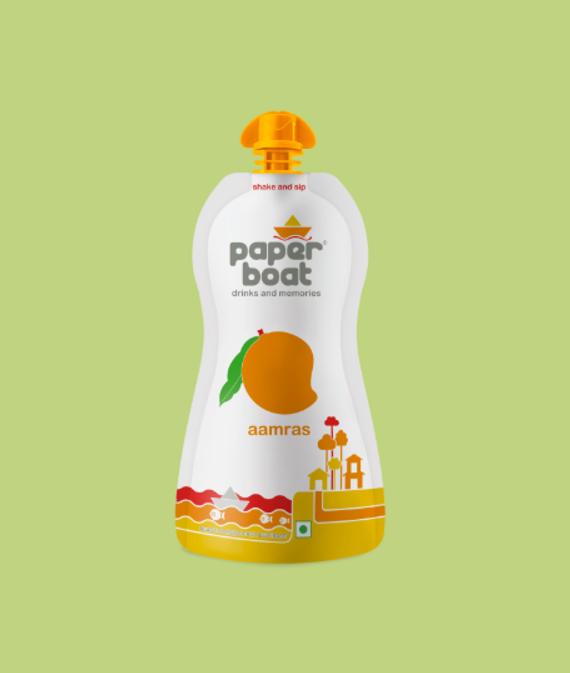
Paper Boat is one of the earliest examples of design meeting conscience. Their pouches use less material compared to bottles. They don’t scream “eco-friendly” on the front, yet the brand feels gentle, nostalgic, and mindful. Their pack design and brand voice are in harmony. That’s why their advertising works — it feels honest.
Mamaearth
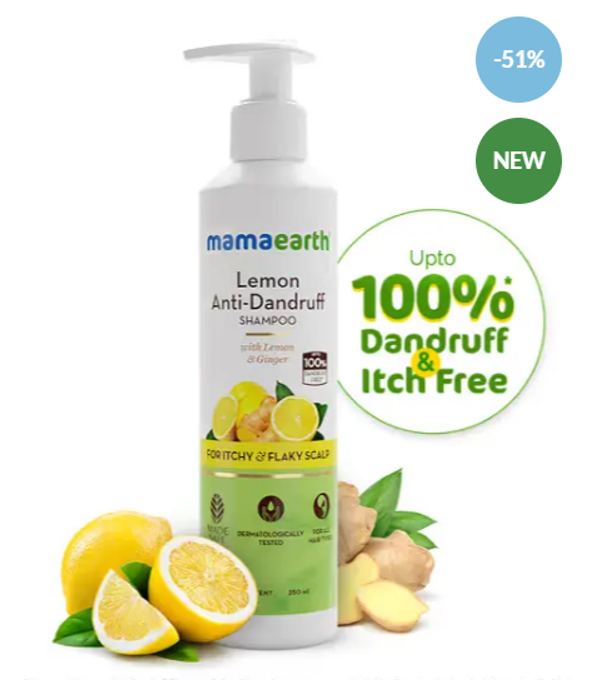
Mamaearth built its brand on trust. The trust they have earned of mothers with baby care products is the same trust they have earned for taking care of Mother Earth.
They use recycled plastic for packaging and invite customers to return empty bottles and packs. When they talk about “goodness inside,” the pack doesn’t contradict the message. The bottle, the copy, and the ad all tell the same story.
Tata Tea
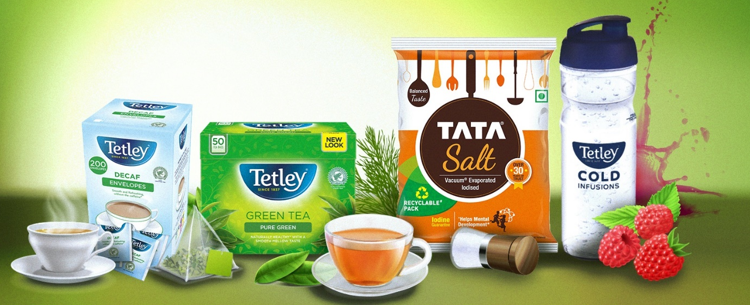
Tata Tea takes a more straightforward route — recyclable materials, cleaner packs, and campaigns that nudge people toward responsible disposal. The brand is known for its ethical standards, and its packaging elevates the degree of authenticity.

Forest Essentials
A luxury brand, yet deeply rooted in natural ingredients. Their packaging looks premium while staying responsible. They use recycled cartons and avoid excess. Luxury doesn't need to mean wasteful — and they prove it.
These examples show an essential point: sustainability can be represented in many ways. It can look premium, simple, minimal, modern, ethnic — whatever suits the brand. There is no single "eco-friendly look." There is only one way to show responsibility and accountability by brands, that is to implement what they preach and embrace eco-friendly packaging.
Sustainable Packaging - The Communication Medium That Attracts Loyalty
When a brand switches to sustainable packaging, the advertising communication brings a dynamic change that is truthful and positive. A story worth telling and worth hearing more.
Ad messaging becomes more believable. It has solid proof to back it up, and that's visible on the shelves. A brand can talk about care, about purity, about conscious living — and the packaging reinforces it. This is good for marketers for three reasons:
1. Ads sound more human
Not preachy. Not salesy. Just honest. "We changed this because it matters." Such lines feel natural, not manufactured.
2. The visual language becomes softer
Eco-friendly packaging design often uses calm tones, minimal printing, and fewer distractions. This style blends beautifully with modern ad aesthetics.
3. The brand narrative becomes consistent
Packaging, product, advertising — everything pulls in the same direction. And when a narrative is consistent, consumers believe it
What Great Sustainable Packaging Actually Looks Like
There is a misconception that sustainable packaging is always brown, rough, or plain. Not true. There is a common misconception that sustainable packing has to be in brown paper, rough, and pungent. But nope, it's not true. Nowadays, sustainable packaging is colourful and minimalistic too.
Good sustainable branding focuses on three things:
Use Less
Less ink. Less plastic. Less weight. Simple choices that make a big difference.
Use Better
Made from recycled and reused materials. Have used renewable sources to create eco-friendly product packaging.
Tell the Story
Not with long stories but with beautiful heartfelt notes: "Made from 100 per cent recycled paper." "Please recycle me." "Refill me." Customers appreciate clarity. This is the kind of honesty people respect.
How Sustainability Helps Brand Growth
From a marketing perspective, sustainable packaging brings convenient advantages too: Lower long-term packaging cost Reduced transport cost due to lighter packs Stronger shelf appeal due to clean designs Higher customer loyalty Positive press coverage Differentiation in crowded categories Even retailers appreciate brands that make waste management easier.
Turning Sustainable Packaging Into Strong Messaging
If brands want to use sustainability in their advertising, here's what works best:
Keep it simple
No big climate speeches. Just show the change made.
Show real numbers
"Reduced plastic use by 35 percent." This works far better than vague promises.
Explain the choice
Why did the brand change the pack? People like to know the "why."
Give customers a role.
"Recycle the box." "Return the empty tube." Shared responsibility strengthens the bond.
The Future of Packaging in India
Sustainable packaging isn't a trend that will fade. It will become the norm. Regulations are shifting. Consumer expectations are shifting even faster. What was "good to do" five years ago is "expected" now.
Brand reputation in the future will depend on decisions made today. A brand that reduces waste now will earn trust later. A brand that ignores sustainability will spend more on advertising trying to explain why it didn't.
The most innovative brands have already understood something simple: Packaging is advertising. Packaging is reputation. Packaging is a quiet but powerful form of brand honesty.
And when brands embrace sustainable packaging with genuine effort, the world notices. If you need guidance to implement a sustainable packaging strategy across your product portfolio, connect with Greysell.